

Medical Disclaimer
This article discusses modalert sleep interactions for educational and informational purposes only.
Medications containing modafinil are prescription medicines in many regions and require supervision from a qualified healthcare professional.
Information in this article should not be considered medical advice. Individual responses to medications may vary, and treatment decisions should always be made with a licensed medical professional.
The relationship between modalert sleep patterns and wakefulness is a common topic for people researching modafinil-based medications. Many individuals want to understand how wake-promoting medicines interact with the body’s natural sleep cycle and whether changes in sleep timing or sleep quality may occur.
Research suggests that medications containing modafinil can influence alertness systems in the brain. As a result, some individuals may notice shifts in how they experience fatigue or nighttime sleep. However, these effects are not identical for everyone. Circadian rhythm, lifestyle, metabolism, and underlying sleep conditions can all influence outcomes.
This article explains what current evidence says about modalert sleep effects, including how wakefulness medications interact with sleep cycles, why delayed sleep onset sometimes occurs, and what research indicates about overall sleep quality.
For readers seeking broader background information about the medication itself, the complete Modalert guide provides a detailed overview of how modafinil-based treatments are studied and discussed in sleep research.
Why Sleep Is Closely Linked to Wakefulness Medications
Understanding modalert sleep effects begins with the brain systems that regulate wakefulness and fatigue. The human sleep–wake cycle depends on a network of signaling pathways that coordinate alertness during the day and sleep at night.
Wakefulness-promoting medications interact with several of these systems.
Key Biological Systems Involved
Several neural pathways influence how sleep and alertness operate:
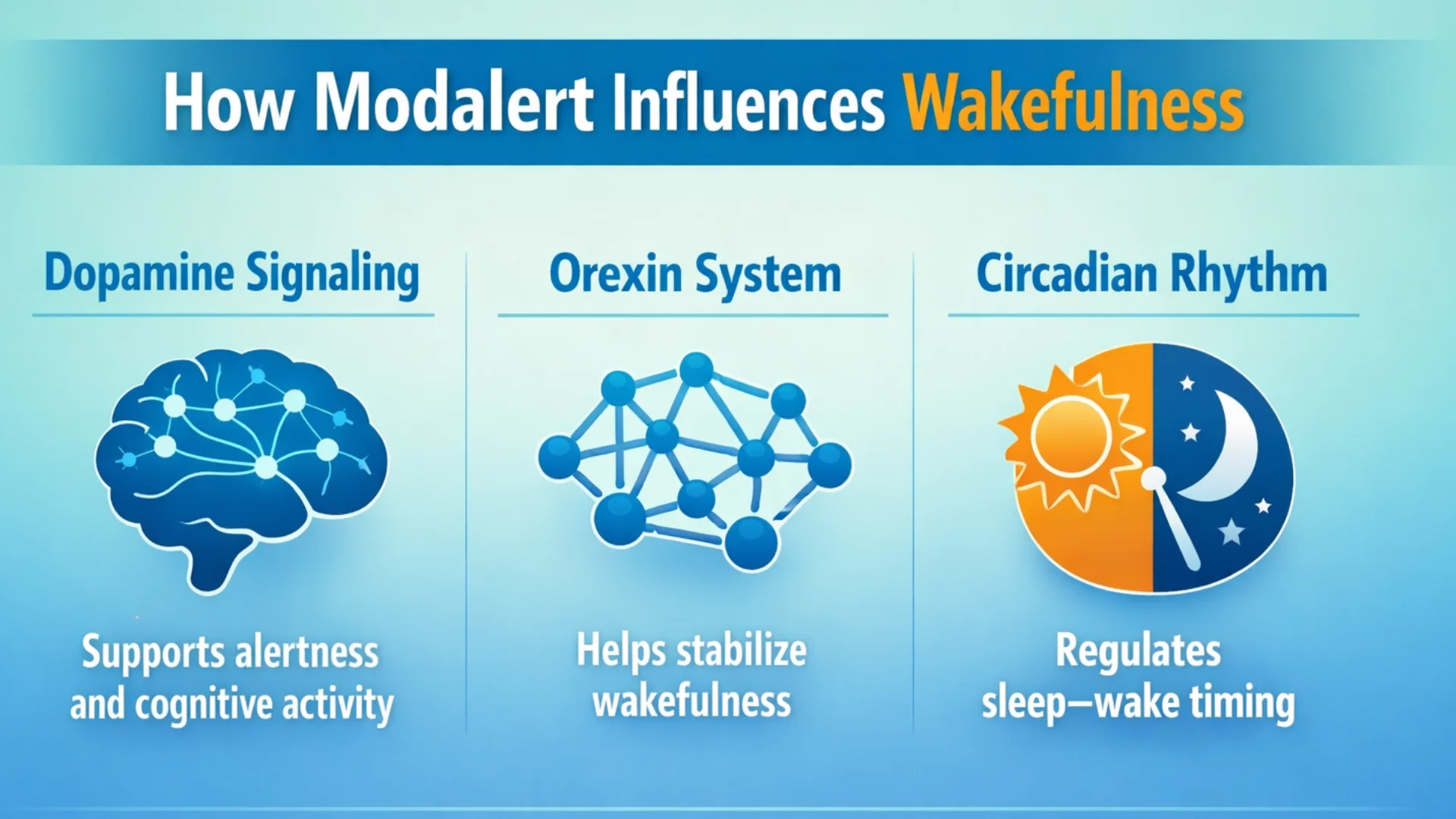
Dopamine signaling
Dopamine contributes to motivation, cognitive activity, and wakefulness.
Orexin (hypocretin) pathways
Orexin helps stabilize wakefulness and prevents sudden transitions into sleep.
Circadian regulation
The circadian system controls when the body naturally feels alert or sleepy.
Scientific summaries such as the Modafinil pharmacology overview (NCBI Bookshelf) describe how modafinil interacts with wake-promoting neural circuits rather than acting as a classic stimulant.
Because these pathways also influence sleep regulation, changes in alertness may sometimes affect modalert sleep timing or perception.
How Modalert Influences Wakefulness and Daily Alertness
Modalert contains modafinil, a compound commonly prescribed to support wakefulness in certain sleep-related conditions. One commonly referenced formulation is Modalert 200 mg tablets, which contain modafinil as the active ingredient.
Medical references such as Modafinil medication information describe its approved use in managing excessive daytime sleepiness associated with conditions such as:
- Narcolepsy
- Shift Work Sleep Disorder
- Obstructive sleep apnea–related daytime fatigue
The goal of treatment is not to eliminate sleep. Instead, the medication helps support alertness during normal waking hours when certain sleep disorders disrupt the body’s natural rhythm.
Because of this wake-promoting effect, some readers researching modalert sleep patterns also explore related questions such as does modalert improve focus, which discusses how wakefulness may influence cognitive performance.
Does Modalert Affect Sleep Quality and Modalert Sleep Patterns?
One of the most common questions people ask is whether modalert sleep quality changes when using modafinil-based medications.
Research observations suggest several outcomes may occur, although results vary significantly between individuals.
Possible Sleep-Related Observations
Studies and clinical reports have described several potential patterns:
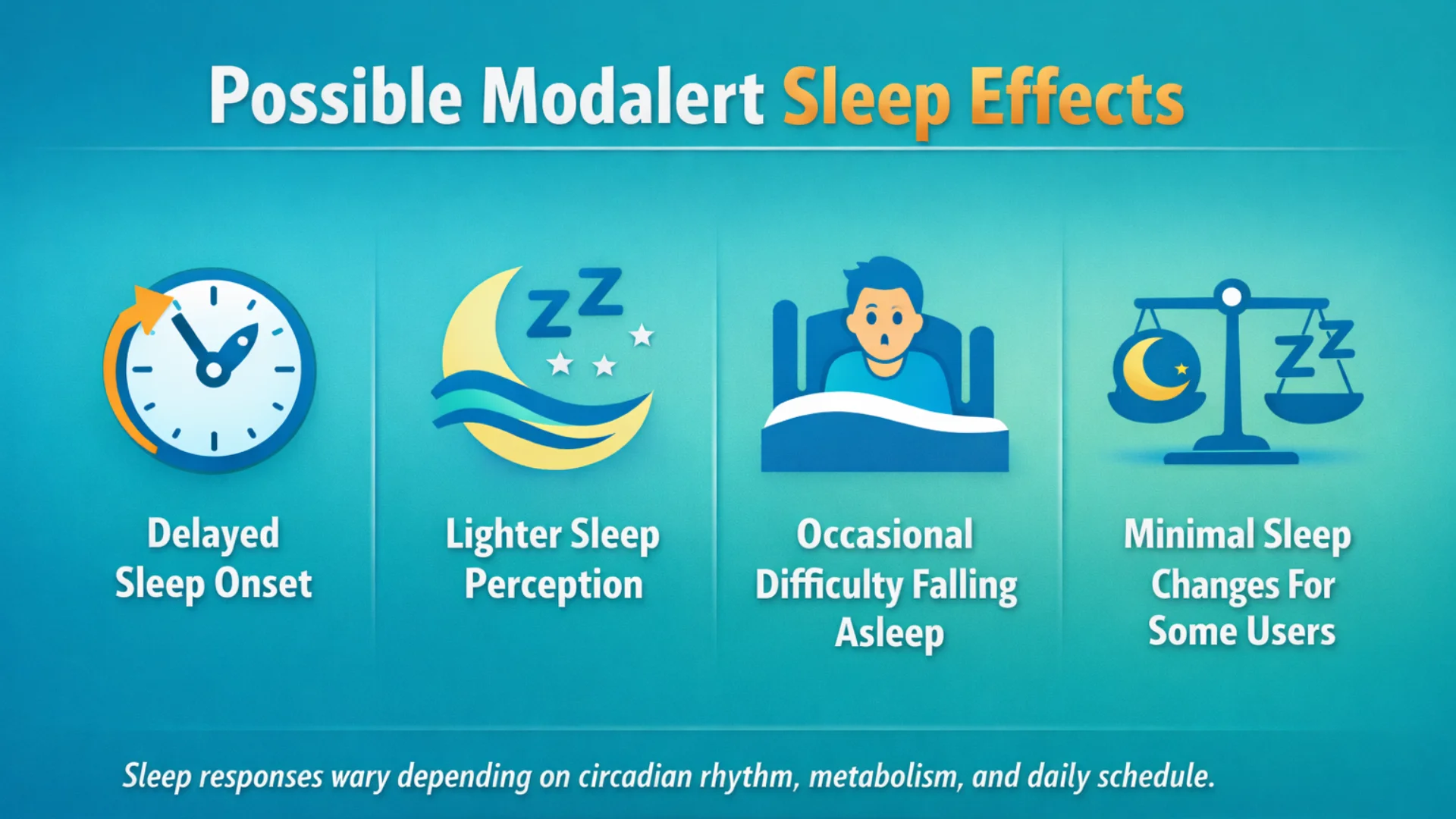
- Delayed sleep onset in some individuals
- Perception of lighter sleep
- Occasional difficulty falling asleep
- Minimal or no change in sleep quality for others
Importantly, these differences often depend on personal factors such as metabolism, daily routines, and existing sleep conditions.
Readers interested in broader safety topics may also find context in the Modalert side effects guide, which discusses commonly reported reactions and considerations.
Overall, evidence indicates that modalert sleep effects vary widely rather than following a single predictable pattern.
Modalert Sleep Timing and Circadian Rhythm
Another important factor in modalert sleep patterns is the body’s circadian rhythm.
The circadian clock is located in a brain structure called the suprachiasmatic nucleus. This internal timing system coordinates several daily biological processes, including:
- Melatonin release
- Natural sleep onset timing
- Energy and alertness cycles
- Hormone regulation
Resources such as the Circadian rhythm and sleep cycle explanation describe how this internal clock controls when people naturally feel sleepy or alert.
Because wake-promoting compounds increase alertness signals, some individuals may perceive reduced tiredness in the evening. Consequently, sleep onset may occur later than usual.
However, circadian timing differs between individuals. Therefore, the influence of modalert sleep timing varies depending on personal sleep schedules and lifestyle patterns.
Research Findings on Modafinil and Sleep Patterns
Clinical studies examining modalert sleep interactions have produced mixed findings across different patient populations.
Several studies investigating wakefulness medications report improvements in daytime alertness while observing limited changes to nighttime sleep structure.
For example, research summarized in Modafinil effects on sleep and wakefulness research highlights several consistent findings:
- Increased daytime wakefulness
- Reduced fatigue during normal activities
- Mild delays in sleep onset in some individuals
- Minimal disruption of sleep architecture in others
These results suggest that the medication primarily targets wakefulness pathways rather than directly suppressing sleep.
Readers comparing similar medications sometimes explore the Modalert vs Waklert comparison to understand differences among modafinil-based treatments.
Why Some People Experience Modalert Sleep Disruption
Another concern sometimes associated with modalert sleep patterns is temporary insomnia.
Although not universal, sleep difficulty can occur in certain situations.
One related discussion appears in research about modafinil insomnia risk, which explains why some individuals report sleep disruption or unexpected fatigue.
Factors That May Contribute to Insomnia
Several variables may influence how sleep responds to wake-promoting medications.
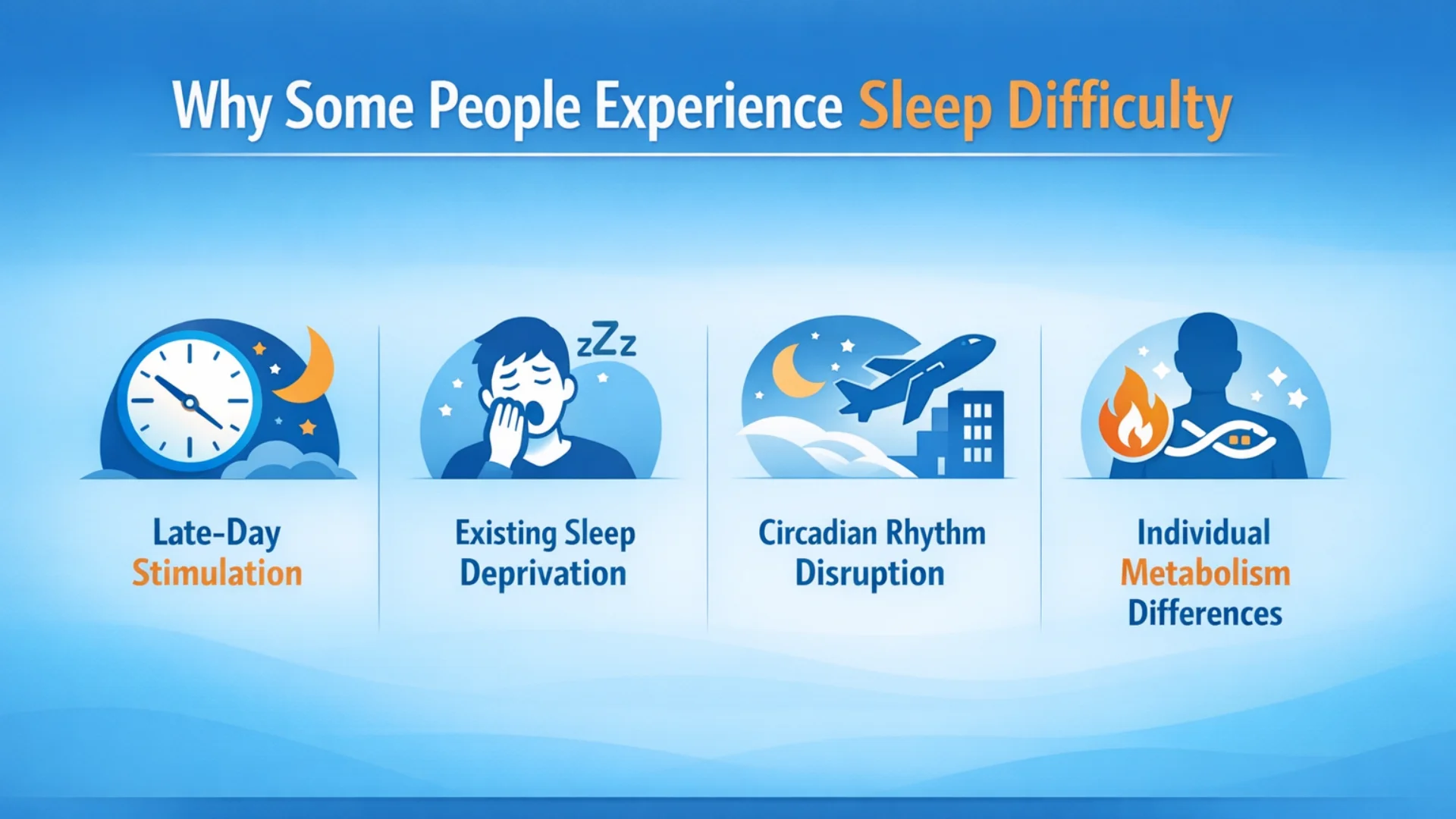
Late-day stimulation
Wakefulness signals later in the day may delay natural sleepiness.
Existing sleep deprivation
People with irregular sleep patterns may be more sensitive to changes in alertness.
Circadian rhythm disruption
Shift work, jet lag, or irregular schedules may amplify sleep timing changes.
Individual metabolism
Differences in metabolism can influence how long wakefulness effects are perceived.
Because these factors vary widely, modalert sleep responses differ between individuals.
Regulatory Safety Monitoring and Medication Information
All medications undergo regulatory monitoring to evaluate safety and reported side effects. Agencies such as the FDA drug safety and medication information program review ongoing evidence related to prescription medications.
Therefore, individuals researching modalert sleep effects should rely on credible medical sources and consult healthcare professionals when evaluating potential risks or side effects.
Balancing Wakefulness and Healthy Sleep
Maintaining healthy sleep habits remains important for overall well-being.
Sleep researchers often emphasize basic sleep hygiene practices that support stable circadian rhythms.
Common recommendations include:
- Maintaining consistent sleep and wake times
- Getting natural daylight exposure during the morning
- Creating a comfortable sleep environment
- Limiting heavy stimulation close to bedtime
- Avoiding irregular sleep schedules when possible
These general lifestyle factors can influence how individuals experience modalert sleep quality, particularly when wakefulness signals interact with circadian timing.
For readers exploring related treatments, additional formulations can be found in the category for modafinil-based medications.
Frequently Asked Questions (Modalert and Sleep)
Modalert contains modafinil, a wakefulness-promoting compound that may influence alertness systems in the brain. Some individuals report delayed sleep onset or lighter sleep perception, while others experience minimal changes in sleep quality.
Some individuals may experience temporary insomnia when using modafinil-based medications. Research suggests this may occur when wakefulness signals remain active later in the day or when circadian rhythm patterns are disrupted.
Modalert promotes alertness by influencing brain systems associated with wakefulness. As a result, some people may feel less tired in the evening, which can delay the natural onset of sleep.
No. Research shows that modalert sleep effects vary widely between individuals. Factors such as metabolism, circadian rhythm, and daily routines can influence how sleep patterns respond.
Conclusion: Understanding Modalert Sleep Effects
Research suggests that modalert sleep interactions depend on several variables, including circadian rhythm, metabolism, and personal sleep patterns.
Modalert contains modafinil, a wakefulness-promoting compound used to address excessive daytime sleepiness linked to certain sleep disorders. While its primary role is to support daytime alertness, some individuals may notice changes in sleep timing or perceived sleep quality.
However, scientific literature indicates that outcomes differ between individuals.. Some people experience little change in nighttime sleep, whereas others may notice delayed sleep onset or mild insomnia symptoms.
Understanding these potential modalert sleep effects helps readers interpret available research and discuss sleep concerns with healthcare professionals.
Author Note
Greg Nicholl is a health and pharmaceutical research writer specializing in evidence-based reporting on cognitive enhancers, sleep science, and neurological pharmacology. His work focuses on translating complex biomedical research into clear educational content for readers interested in sleep health and wakefulness medications.